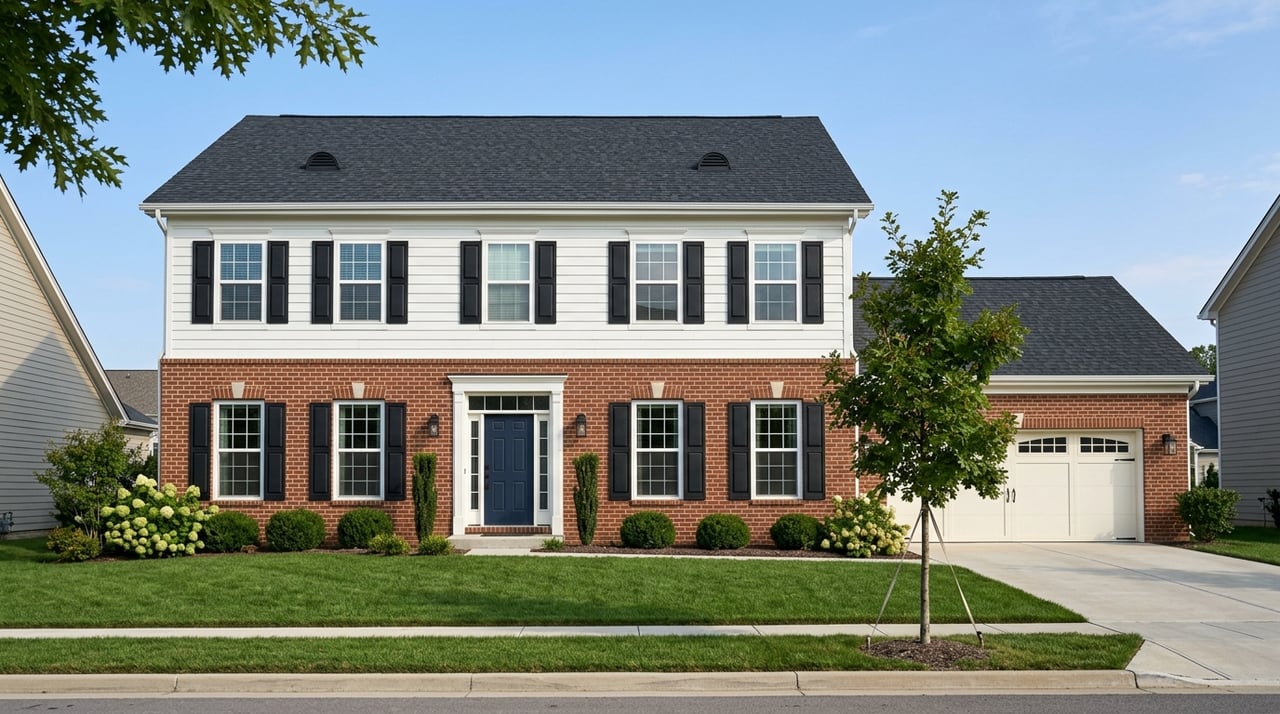
If you have been thinking, "Do I really need all this house anymore?" you are not alone. Many Rockville homeowners reach a point where the yard, stairs, storage, and repair list feel less like a benefit and more like a job. The good news is that moving from a house to a condo can simplify daily life, unlock equity, and reduce upkeep if you plan the move carefully. Let’s dive in.
Why downsizing makes sense in Rockville
In Rockville, the price gap between detached homes and condos is large enough to make downsizing a real financial conversation, not just a lifestyle choice. As of late March 2026, the median sale price for a single-family home was about $800,000, while the median condo or co-op sale price was about $510,000.
That spread does not mean every condo is a bargain or every move saves money. It does mean many homeowners can move to a smaller, lower-maintenance home and still reduce their housing footprint in a meaningful way. For some sellers, that can also free up equity for retirement, travel, family needs, or simply more flexibility.
Rockville is also a practical place for this kind of move because the city is leaning further into transit-oriented development. The Rockville Metro station area was designated as a Maryland transit-oriented development area in 2026, with the goal of supporting compact mixed-use growth, walkable communities, and expanded housing opportunities. There are incentives for builders to make more housing near Metro and Bus lines.
If you are trading a larger lot and interior footprint for convenience, this trend matters. It supports the idea that condo living in Rockville is not just about less space. It is about access, ease, and a different rhythm of ownership.
What you are really changing
Downsizing from a house to a condo is not simply a move from big to small. You are changing how your home functions in your daily life. And, if you plan to travel more often in retirement, it may be much easier to close and lock up a condo unit, than to take precautions with a home that has a yard to mow, gutters to clean and other day-to-day maintenance.
With a house, you may be used to handling exterior maintenance, yard work, roof concerns, driveway upkeep, and a long list of seasonal tasks. With a condo, some of those responsibilities shift to the association, but they are replaced by rules, shared decision-making, monthly dues, and a different insurance setup. It's important to research the rules and the management approach at any condominium you may be considering.
That trade can be worth it for many owners. Still, it works best when you look beyond square footage and ask whether the new home truly fits how you live now.
Start with timing, not just property search
One of the biggest mistakes downsizers make is focusing on the condo search first and the move plan second. In practice, the cleaner path is often to think through timing before you fall in love with the next property.
A sell-first approach is usually the safest default if you want to avoid carrying two homes at once, though options exist to use the equity in your home to purchase the condo outright before selling your home. Buying and owning your next home involves more than the mortgage payment. You also need to budget for property taxes, insurance, condo or HOA dues, closing costs, moving costs, repairs, and possible overlap between homes.
That matters even more when you are moving from a long-held house into a condo with different monthly expenses. A lower purchase price does not automatically mean lower first-year costs.
Montgomery County tax details matter
In Montgomery County, sellers of residential property must estimate and disclose the property tax for the subsequent levy year. That is important because the buyer will not receive the homestead credit in the first year after purchase, and the county notes that the annual taxable assessment increase limit does not apply in that first year.
In plain terms, the first-year tax picture on your next condo may be higher than you expect if you are looking only at the current owner’s bill. That is one reason a solid move plan should include a full monthly budget for the next home, not just a comparison of sale price versus purchase price.
Montgomery County has senior-related tax credits that may apply to the condo as well as a house, including a property tax credit for residents age 65 and older and another credit for some owners age 65 and older who have lived in their home for 40 consecutive years and have limited income. If you may qualify, the existing credits are worth factoring into your sale and purchase timing.
Prepare your house for sale without overdoing it
If you have owned your Rockville home for many years, you may wonder whether you need to remodel before listing. In most cases, the better approach is repair triage, not a full cosmetic overhaul.
A pre-sale inspection is optional, but it can help identify issues before your home goes on the market. If major items such as the roof, HVAC, or appliances need work, getting estimates can help you decide whether to repair, disclose, or price accordingly.
That is especially helpful with older homes, where deferred maintenance tends to matter more than dated finishes. Buyers can usually live with an older kitchen for a while. Problems that affect inspections, financing, or confidence are more likely to disrupt the sale.
Focus on the fixes that matter most
Before listing, prioritize the items most likely to affect value and negotiations:
- Repair major systems or safety issues if they could derail financing or inspections
- Clean thoroughly and declutter with your next home in mind
- Improve curb appeal with simple landscaping, paint touch-ups, and an orderly front entry
- Gather manuals and warranties for systems and appliances that will stay with the home
- Price the property based on real condition rather than the cost of upgrades you considered making
This approach fits downsizers well because it helps you avoid pouring time and money into updates you may never fully recover. It also keeps your attention on the bigger goal, which is a smooth transition to the next stage of life.
Know what condo living really includes
A condo can reduce maintenance, but it does not eliminate responsibility. Instead, it changes the lines between what the association handles and what you still need to manage yourself.
Under Maryland law, a condominium council of unit owners must maintain master property insurance and general liability insurance. At the same time, unit owners may still need their own policy, often called an HO-6 policy, to protect personal property and items not covered by the master policy.
So while you may no longer be worrying about every exterior repair, you still need to understand what is covered, what is not, and what your monthly dues are paying for. That is why condo due diligence matters so much in a downsizing move.
Read the resale package early
In Montgomery County, buyers should demand the resale package. Under Maryland law, the seller of a used condominium unit must provide information about the rules and financial status of the association, including whether there are pending claims against the unit, and the contract cannot be enforced until that package has been delivered.
This is not a minor paperwork step. It is where you learn how the community operates, what the association’s finances look like, and whether the unit comes with issues that could affect your decision.
Timing matters here too. Montgomery County notes that sellers should request the resale package early because the association has up to 20 days after a written request to provide it.
Cancellation periods are short
Once a condo buyer receives the resale package, the buyer has up to 7 days to cancel. For an HOA-governed townhome, the buyer has up to 5 days.
That short review window is one reason to work with an advisor who treats the documents seriously. If you are downsizing for convenience, the last thing you want is to discover after closing that the parking setup, storage arrangement, or fee structure does not work for you.
Review the rules, budget, and reserves
Condo living is often easier day to day, but it is more rules-based than detached-home ownership. Montgomery County explains that association rules may govern parking, landscaping, paint colors, trash disposal, pets, patios, exterior areas, and nuisance behavior.
Those rules are not just background details. They shape your everyday experience in the community.
You should also review the association’s current budget and reserve study. Maryland law treats the reserve study as a planning tool for major repairs and replacements of condo common elements, and for applicable residential condos in Montgomery County, an independent reserve study must be completed and updated at least every 5 years.
A weak reserve position does not automatically mean you should walk away, but it can signal future dues pressure or special-assessment risk. For a downsizer seeking predictability, that is a major quality-of-life issue.
Questions worth answering before closing
When reviewing a condo or smaller townhome, make sure you get clear answers to these points:
- What is the monthly condo or HOA fee?
- What does that fee actually cover?
- Are there pending claims involving the unit or association?
- Does the association appear to have adequate reserves?
- What is the cancellation period tied to the disclosure package?
- Are your obligations capped by the certificate amount?
Maryland law also provides an important consumer protection here. A purchaser is not liable for any unpaid assessment or fee greater than the amount set forth in the certificate.
Confirm parking and storage in writing
Many downsizers focus on square footage and monthly dues first. In practice, parking and storage are often what make or break the fit.
In a condominium, features such as parking spaces, storage lockers, balconies, patios, and similar areas may be deeded, assigned, or limited-use common elements depending on the governing documents. You should verify exactly what conveys with the unit rather than assume the listing details tell the whole story.
Parking rules can also be stricter than many homeowners expect. Montgomery County notes that associations may restrict commercial vehicles, trailers, campers, boats, and similar vehicles, and they may tow vehicles from common areas when their rules and county towing requirements are followed.
Ask practical questions, not just legal ones
Before you commit, ask questions that reflect your real daily routine:
- Is parking deeded, assigned, or first-come, first-served?
- Is there a storage locker or cage, and does it transfer with the unit?
- Are there move-in or move-out rules or elevator reservation requirements?
- Are pets, oversized vehicles, or rentals restricted?
- Does the reserve study suggest the community is prepared for major repairs?
If you are moving from a house with a garage, attic, basement, and driveway, these details matter more than they seem at first. Rightsizing works best when the new home supports your habits instead of forcing daily workarounds.
Think in terms of rightsizing, not just downsizing
The best condo move is not always the smallest or cheapest option. It is the one that reduces upkeep while still fitting your storage needs, parking needs, budget, and preferred routine.
For many Rockville homeowners, that means comparing a condo with a smaller townhome rather than assuming one category always wins. A condo may offer the lowest-maintenance setup, while a smaller townhome may provide a bit more storage or separation of space.
Either way, the goal is the same. You want a home that is easier to live in without creating new friction around rules, costs, or logistics.
Why local guidance helps with this move
A house-to-condo move in Montgomery County has more moving parts than many sellers expect. Sale timing, tax disclosures, association documents, reserve studies, parking rights, and property preparation all affect the outcome.
That is where senior-level, local guidance can make a real difference. A practical advisor can help you prepare an older home for market without overinvesting in cosmetic updates, coordinate the sale and purchase timeline, and review the condo details that most directly affect cost and lifestyle.
If you are considering downsizing in Rockville, a steady plan usually beats a fast decision. The right move is not just about leaving space behind. It is about choosing a home that fits the way you want to live next.
If you want a practical, senior-level conversation about selling your current home and evaluating the right next step, reach out to Dick Stoner for a free consultation.
FAQs
What makes downsizing to a condo in Rockville financially appealing?
- Rockville has a meaningful price gap between detached homes and condos, with late March 2026 median sale prices of about $800,000 for single-family homes and $510,000 for condo or co-op properties.
What taxes should a Rockville condo buyer watch in Montgomery County?
- Montgomery County requires tax disclosure for the subsequent levy year, and the buyer will not receive the homestead credit in the first year after purchase, which can make first-year costs higher than expected.
What repairs should a Rockville homeowner make before selling a house to downsize?
- Focus first on deferred maintenance and items that could affect inspections or financing, such as roof, HVAC, appliances, safety concerns, and overall presentation through cleaning and decluttering.
What is the condo resale package in Montgomery County?
- It is the required disclosure package for a used condo that provides information about the association’s rules, finances, and any pending claims involving the unit, and the contract cannot be enforced until it is delivered.
How long does a buyer have to review condo documents in Montgomery County?
- A condo buyer has up to 7 days to cancel after receiving the resale package, while a buyer of an HOA-governed townhome has up to 5 days.
What should a Rockville condo buyer verify about parking and storage?
- You should confirm from the governing documents whether parking and storage are deeded, assigned, or limited-use, and verify exactly what transfers with the unit before closing.