Are you weighing a renewal or a move in Fairfax County and worried you might miss something before you sign? You are not alone. The biggest savings and protections often come from decisions made weeks before a lease goes to legal. This guide shows you what a tenant rep does behind the scenes in Fairfax County to shape a stronger deal, a realistic timeline, and a smoother path to occupancy. Let’s dive in.
Why process matters in Fairfax County
Fairfax County sits in a large Northern Virginia market where demand has shifted since 2020. Vacancy is higher in several submarkets, and many landlords compete with upgraded amenities and transit access. That mix can open the door to meaningful concessions for small tenants.
You will see differences by submarket. Tysons and Reston offer Silver Line access and Class A buildings. Merrifield, Herndon, Route 28, and Fairfax City mix mid‑rise offices with flex and industrial options. Parking ratios, visibility, and highway access along I‑495, I‑66, and Routes 7, 50, 123, and 28 all influence value.
In this environment, your effective rent matters more than the face rate. Tenant improvement dollars, rent abatement, and operating expenses can swing your total cost. A good tenant rep benchmarks all three so you can compare renewal versus relocation on real numbers.
How we scope your needs
The first step is a practical discovery meeting. We translate your business into leasing targets. That includes your occupancy date and notice periods, square footage based on headcount and density, submarket preferences, and transit or parking needs.
We also define budget boundaries, use type, and deal breakers like loading, signage, or dedicated utilities. For small businesses, we prepare what landlords need to price your deal: a basic company profile, financials, and any guaranty parameters you are willing to consider. You leave with a written requirements summary and a decision timeline.
Market research and the shortlist
With your goals in hand, we pull live availabilities and recent comps in your target submarkets. We evaluate each building’s class, ownership profile, amenities, HVAC hours, floorplate efficiency, and signage options.
We include alternatives that fit your plan. That can mean traditional office, flex or industrial, or serviced office providers for near‑term flexibility. You get a prioritized shortlist, usually four to eight options, with pros and cons and a first pass on effective rent and total occupancy cost.
Touring and building checks
Tours are where practical issues surface. We assess building systems and layout: mechanical and electrical capacity, ceiling heights, elevator core, and loading. We also check parking, access, and visibility if you rely on client visits.
During tours, we flag items for negotiation. That includes the landlord’s build‑out standard, existing conditions that could save on TI, and the building’s tenant mix. We note any timing hurdles that could affect your occupancy date.
RFPs that create leverage
A clear Request for Proposal invites comparable offers. We state your use, size, term, TI target, occupancy date, landlord responsibilities, parking needs, and any options you want considered. We also include a deadline so proposals do not drift.
When responses arrive, we normalize them. We compare face rent, TI, free rent, escalation structures, operating expense pass‑throughs, and parking costs. We reduce each offer to an effective rent and total occupancy cost so you can see apples to apples.
LOI terms we prioritize
A non‑binding Letter of Intent is where the real shaping happens. It captures the business terms before attorneys start drafting.
Key LOI items include premises definition and measurement method, commencement and occupancy schedule, base rent and escalations, TI allowance and who does what work, and what operating expenses you will pay. We also address parking, assignment and subletting, renewal options, SNDA language, security deposit, and confidentiality with a timeline to lease execution.
We rank each lever by your priorities. For many small tenants, TI dollars and timing, rent abatement at the start, caps on operating expense increases, and flexible term lengths move the needle most. We push those items to clarity in the LOI so the lease reflects your business plan.
Lease negotiation and legal review
Once the LOI is signed, the landlord produces a draft lease. Your tenant rep focuses on the business terms, exhibits, and work letter. Your attorney addresses legal clauses like indemnities, casualty, default remedies, and assignment wording.
Standard office deals often move from LOI to a fully negotiated lease in two to six weeks. More complex projects with heavy TI or special uses take longer. We keep both sides on task and align legal review with your priority list.
Permits and pre‑possession planning
In Fairfax County, permitting and use approvals can affect cost and timing. Before you move, and sometimes before you sign, we help map the permit path and confirm you can legally operate as planned.
We confirm zoning and permitted use, check the building’s Certificate of Occupancy, and identify whether you need special permits or additional inspections. For medical or personal services, we flag any extra approvals. We also review ADA, egress, life safety, and mechanical capacity early so there are no surprises during build‑out.
Key terms that move the needle
Understanding a few core concepts helps you weigh offers quickly:
- Effective rent vs. face rent. Effective rent includes TI, free rent, and concessions. It is the only way to compare deals.
- TI allowance. A lump sum or turnkey build‑out. We test whether the allowance matches your scope and line up contractors to validate pricing.
- Free rent. Front‑end abatement can ease cash flow and offset build‑out time.
- Term and options. Shorter initial terms can add flexibility. Renewal options set a ceiling on future rent or define market pricing rules.
- Operating expenses. Clarify what you pay, how escalations work, and whether there are caps or base years. Net structures shift cost to you, so we model that impact.
- Assignment and subletting. Preserve flexibility for sale, consolidation, or staffing changes.
- SNDA. A non‑disturbance agreement helps protect your rights if the landlord’s lender steps in.
- Repairs and services. Define who handles HVAC, structure, and windows, and what after‑hours HVAC will cost.
Fairfax County specifics to watch
- Transit and access. Silver Line stations in Tysons and Reston change commute patterns and client access. Highway proximity and on‑site parking ratios are major drivers for small teams.
- Parking costs. Structured parking near core nodes can add monthly cost. We price it into the LOI so there are no surprises.
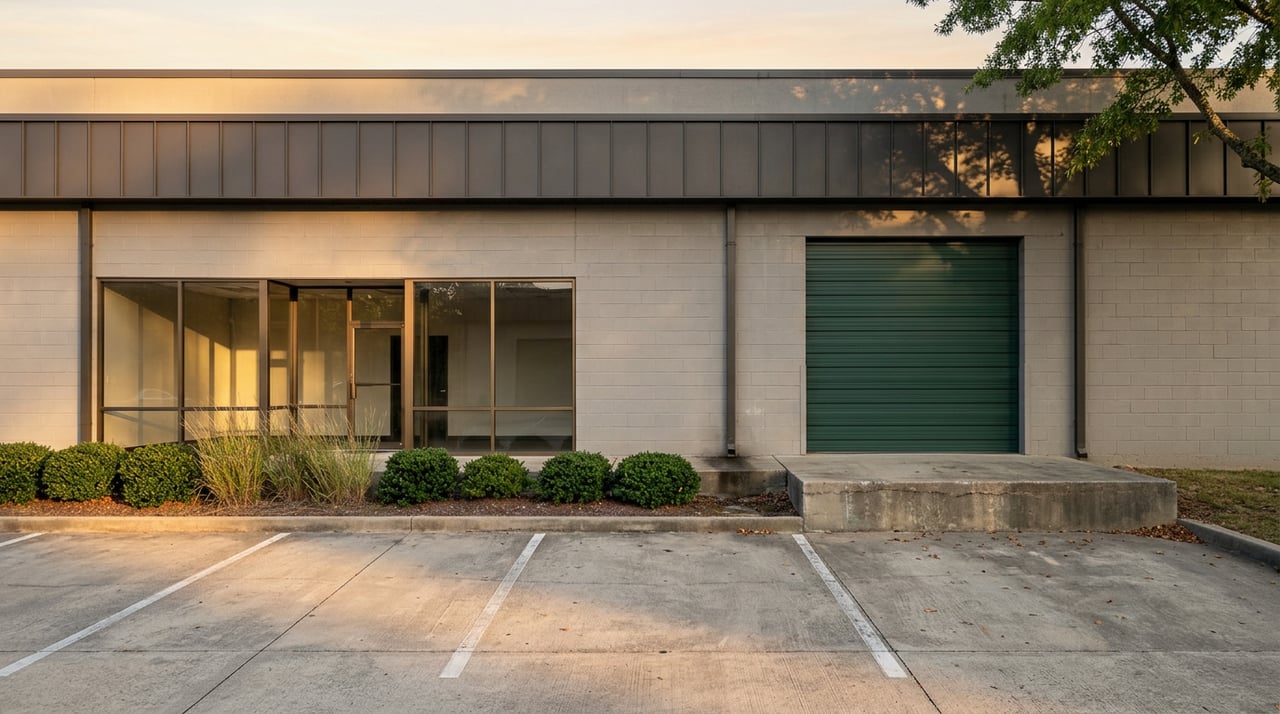
- Flex and industrial options. Along Route 28 and nearby corridors, flex space can offer efficient layouts and loading. We compare total cost against traditional office.
- Permitting timelines. Light TI can be permitted in weeks. Structural, plumbing, or fire protection work can take months. We set lease dates with buffer.
- Ownership profiles. Institutional owners in Class A towers often have standardized leases and predictable processes. Local owners may be more flexible on non‑standard requests. We tailor strategy to both.
Timeline you can expect
Every deal is different, but a typical small office or flex search follows this cadence:
- Discovery and needs analysis: 1 to 3 days
- Market research and shortlist: 3 to 7 days
- Tours: 1 to 2 weeks
- RFP responses: 1 to 2 weeks
- LOI negotiation and execution: 1 to 2 weeks
- Lease negotiation and attorney review: 2 to 6 weeks
- Permitting and TI build‑out: 4 to 12 weeks or more depending on scope
We build your decision calendar around any renewal notice dates and realistic permit timing.
Quick checklists you can use
Pre‑RFP: what to have ready
- Written requirements summary: size, use, schedule, parking, and budget
- Company profile and basic financials: profit and loss, balance sheet, or bank reference
- Guaranty parameters you are willing to consider
- Preferred deal points: term, TI needs, assignment/sublet flexibility
- Contact list for decision‑makers and any architect or contractor
RFP and LOI: what we track
- Measurement standard: ANSI or BOMA
- Proposed commencement and desired occupancy date
- TI allowance and build‑out responsibilities in a draft work letter
- Parking requirements and cost expectations
- Target effective rent and acceptable escalation methods
- Proposal expiration dates and confidentiality terms
Due diligence before signing
- Verify landlord ownership and authority to lease
- Confirm Certificate of Occupancy and permitted use
- Review building rules and regulations and a sample estoppel
- Confirm HVAC hours and any needed modifications
- Confirm utility metering and billing method
- Environmental review if your use requires it, especially for industrial or certain retail uses
- Obtain the landlord’s standard lease early and begin legal review
Common risks we prevent
- Comparing face rents without factoring TI and concessions, which can hide real cost differences
- Underestimating permit timelines and build‑out costs, leading to rushed moves or holdover risk
- Signing leases with open‑ended personal guarantees or limited assignment rights
- Overlooking building services like HVAC hours or cleaning that increase operating expense later
- Accepting a standard lease form without targeted legal review of high‑impact clauses
We address these by modeling effective rent, locking down LOI protections, validating TI budgets with contractors, coordinating with your attorney, and keeping a realistic schedule.
What this looks like with a senior advisor
You get clear steps, tight documents, and steady guidance. We translate landlord offers into side‑by‑side economics, rank the levers that matter most, and keep the legal language aligned with the business you negotiated. We bring local knowledge of Fairfax County’s submarkets, permit process, and building types so your occupancy date and budget are realistic from the start.
If you are within six to nine months of a renewal date, or you expect a change in headcount, now is the time to start. A short discovery call can confirm your options and set a timeline that preserves leverage.
Ready to compare renewal versus relocation with real numbers and a plan that fits Fairfax County’s market? Reach out to Dick Stoner for a practical, no‑pressure consultation.
FAQs
How much tenant improvement allowance can I expect in Fairfax County?
- It depends on landlord, vacancy in your submarket, your credit, and term length. We benchmark local deals and negotiate either a lump‑sum allowance or a turnkey build‑out sized to your scope.
Who usually pays broker or tenant rep fees on Fairfax County leases?
- In most cases the landlord pays leasing commissions. We confirm compensation terms in writing and disclose them so you understand how your rep is paid.
Should I renew my Fairfax County lease or relocate nearby?
- We compare effective rent, TI and free rent, relocation costs including downtime, and strategic factors like transit access and parking. The best choice is the one with the lowest total cost and the least operational risk.
How long will it take before I can occupy new space in Fairfax County?
- Plan for several weeks of negotiation plus permit time. Simple office TI may permit in weeks, while structural or specialized work can take months. We build buffer into the commencement schedule.
What is an SNDA and why should a small tenant care?
- An SNDA helps protect your right to stay if the landlord’s lender takes over. We request a landlord‑obligated SNDA as part of the LOI so it is not left to chance late in the process.
What should I watch for in operating expenses and escalations?
- Clarify what costs pass through, how increases are calculated, and whether there are caps or base years. We model OPEX in the effective rent so you see the full picture.