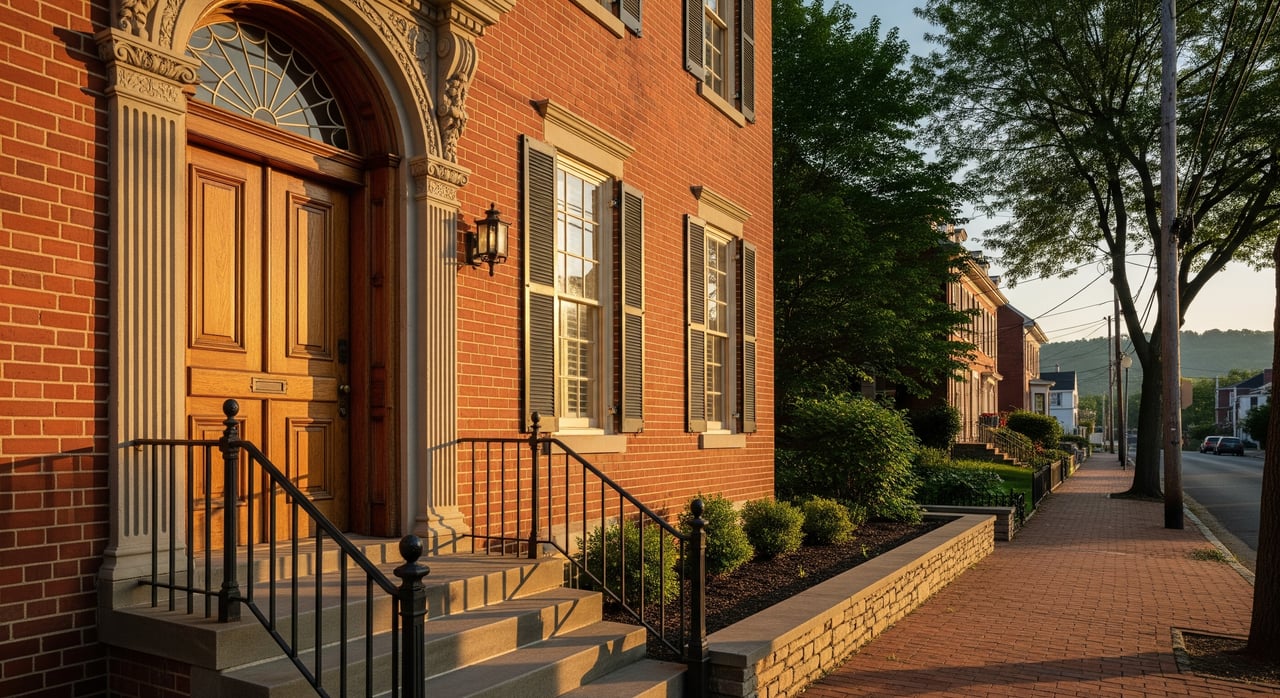
Thinking about replacing windows, repairing a porch, or adding a new deck on a historic Hagerstown home? You are not alone. Many owners find the permit steps confusing, and the rules can feel technical. This guide breaks the process into plain steps, so you know what needs review, what to submit, and how to plan your timeline and budget. Let’s dive in.
What work needs review
Exterior changes that are visible from the public right-of-way usually trigger historic review in local historic districts. Common examples include:
- Additions and new construction
- Demolition or removal of historic features
- Changes to primary façades, including windows, doors, and porches
- Switching materials, such as wood siding to synthetic products
- Roof material changes or raising a roofline
- Visible exterior mechanical units, signage, and awnings
- Paint color changes in some jurisdictions; confirm locally
Interior work is generally not reviewed unless a special designation applies. Routine maintenance and in-kind repairs are often exempt. If you replace a feature in a way that changes the appearance, expect review. Demolition is typically the most restricted and may include waiting periods or documentation requirements.
Approvals and order of permits
You will usually navigate two streams of approvals:
- Historic review, often called a Certificate of Appropriateness or Certificate of Approval. This checks compatibility with the historic district.
- Building permits from the city or county for structural work, utilities, roofing, decks, and similar work.
Most municipalities require historic approval before issuing a building permit. Confirm the exact order with City of Hagerstown Planning and Zoning staff.
The typical review path
Here is the common sequence used in many communities:
- Schedule a pre-application conversation with staff. This helps confirm whether your project needs review and what to submit.
- Submit a complete historic application with photos, plans, and material details.
- Public notice and a commission meeting follow. Meetings often occur monthly or every other month.
- The commission issues a decision. Outcomes include approve, approve with conditions, continue for more info, or deny.
- If approved, apply for building permits and complete inspections.
Timelines vary by scope. Simple repairs can move in a few weeks. Projects that need public notices or multiple meetings can take 4 to 12 weeks or longer. If you face an urgent hazard, emergency stabilization is usually allowed, but you should notify staff and expect a follow-up review filing.
What to include in your application
Good submittals are clear and visual. Aim for accuracy, scale, and specificity.
- Completed and signed historic commission application form
- Recent, clear site photos showing the whole building and streetscape
- Scaled site or plot plan with property lines, the building footprint, and where work occurs
- Existing and proposed elevations drawn to scale
- Construction details for significant items, such as porch rail profiles, window trim, and flashing
- Material samples or manufacturer data sheets for siding, windows, roofing, or other finishes
- Paint color chips or a palette if paint is regulated
- A short scope of work narrative that explains existing conditions and why you selected the materials and methods
- Contractor or design professional contact details
- Photographic examples of similar approved work if allowed by the commission
- For demolition, a condition assessment, documentation of alternatives, and salvage or mitigation plans
Commissioners rely on visuals and exact materials to judge compatibility. Vague submittals cause delays.
Plan your project timeline
Build review time into your schedule and contracts. A practical approach looks like this:
- Confirm designation early. Verify if your property is locally designated, in a local district, or listed only on the National Register. Local designation usually carries the most review.
- Hold a pre-application meeting with staff. Use it to refine scope and get feedback.
- Choose repair-first solutions. Repair original materials and use in-kind replacements where feasible. For windows, consider repairing sash and adding storm windows before pursuing full replacement.
- Prepare strong documentation. Photos, drawings, and specific product data help the commission decide in one meeting.
- Stage work if needed. If budget is tight, split the project into phases that align with meeting schedules.
Materials and technical tips
Historic buildings often perform best with compatible materials and methods:
- Match original profiles and dimensions. Ask your contractor to document how trim, siding, and rails will match existing conditions.
- Use compatible masonry mortar. Historic brick often needs lime-based mortar and matching joint profiles. Hard Portland cement mortar can damage older masonry.
- Protect rooflines and cornices. Visible roof changes draw scrutiny. Bring samples and manufacturer profiles when proposing new roofing that is visible from the street.
- Avoid unapproved substitutions. Some synthetic materials or stock window profiles can alter character. Get approvals before ordering.
Hire the right contractor
Choosing an experienced team saves time and reduces risk.
- Ask for historic rehab experience and photos of similar jobs
- Confirm licenses, insurance, and familiarity with local submittals
- Clarify who pulls permits and coordinates inspections
- Request mock-ups or sample panels for visible changes
- Build a contingency for hidden conditions common in older buildings
Due diligence for buyers and sellers
If you are buying or selling a historic property, plan ahead to reduce surprises.
- Confirm designation status and any local or state listings
- Ask the seller for prior approvals, past permits, maintenance records, and contractor lists
- Include a short historic review contingency in your contract to confirm that planned exterior changes are feasible
- Have your agent or attorney confirm if certain reviews should occur before closing
- Check for conservation easements or preservation covenants that may require separate approvals
Incentives and where to verify
There are technical and financial resources that may help your project.
- Contact City of Hagerstown Planning and Zoning or the Historic District Commission staff for local rules, forms, and meeting dates n- Coordinate with Washington County permits and inspections for building permits and trades permits
- Review guidance from the Maryland Historical Trust, including the Maryland Inventory of Historic Properties and rehabilitation resources
- Consult National Park Service materials, such as the Secretary of the Interior’s Standards for Rehabilitation and Preservation Briefs
- Ask the city about any local façade grants or downtown programs. Availability varies over time
- Federal and state tax incentives typically focus on income-producing properties. Homeowners should confirm eligibility with the Maryland Historical Trust and a qualified tax professional
Simple sequence you can follow
- Step 1: Confirm designation and call staff for a pre-application conversation
- Step 2: Align on a repair-first scope and prepare drawings, photos, and product data
- Step 3: File the historic application and attend the commission meeting
- Step 4: Address any conditions, then apply for building permits
- Step 5: Schedule inspections and keep records for future maintenance
Common pitfalls to avoid
- Starting work before approvals are issued
- Submitting vague drawings without dimensions or product details
- Ordering windows or materials before final approval
- Ignoring visibility from the street when placing mechanical units
- Using incompatible mortar or finishes that damage original materials
How we can help
Historic rules should protect value, not stall your plans. If you are planning a sale, a purchase, or a careful rehab, you can benefit from clear sequencing, the right scope, and the right team. As an advisory-first brokerage with hands-on preservation experience across Central Maryland, we can help you map approvals into your timeline, coordinate pre-application steps during a purchase, and set realistic expectations for cost and schedule. Reach out to Dick Stoner for a straightforward conversation about your property and goals.
FAQs
Do Hagerstown historic homes need approval for window work?
- If windows are visible from the street in a locally designated area, review is likely. In-kind repairs may be treated differently. Confirm with local staff.
Can I switch wood siding to vinyl on a historic house?
- Many commissions discourage changes that alter historic character, especially on primary façades. Discuss alternatives with staff during pre-application.
Do paint colors require approval in Hagerstown?
- It depends on local rules for designated properties. Some places do not regulate paint color, while others do. Verify with the city.
Which comes first, historic approval or building permit?
- Historic approval typically comes first. Confirm the exact order with City of Hagerstown Planning and Zoning.
What if my project is an emergency, like an active leak?
- Emergency stabilization to protect health and safety is usually allowed. Notify staff promptly and submit for follow-up review.
What documents should I include in my historic application?
- Clear photos, scaled plans and elevations, construction details, product data, and a concise scope narrative are essential. Material samples help too.