What draws you to an older, walkable downtown? Maybe it is the brick facades, the glow of a marquee on a Friday night, or the idea that daily errands happen on foot. If that sounds right, Historic Downtown Hagerstown can be a practical fit. In this guide, you will learn how daily life works here, what the homes are like, what to expect for costs and parking, and how to plan renovations in a historic district. Let’s dive in.
The feel of Historic Downtown Hagerstown
Where you are and why it matters
Historic Downtown Hagerstown includes the commercial core and the surrounding older residential streets. The larger Hagerstown Historic District is listed on the National Register of Historic Places, which helps explain the continuous historic fabric you see block to block. You will find late‑19th and early‑20th‑century buildings that give the area its character and scale. For context on the district, review the Hagerstown Historic District.
Arts anchors and green space
Downtown sits within the city’s Arts & Entertainment District. That designation supports a lively calendar and helps artists and small venues. The restored Maryland Theatre, events around the Public Square, and the Washington County Museum of Fine Arts in City Park are part of daily life for many residents. To understand the district and its footprint, explore the Arts & Entertainment District overview and the city’s downtown events calendar.
Housing and architecture
What you will find
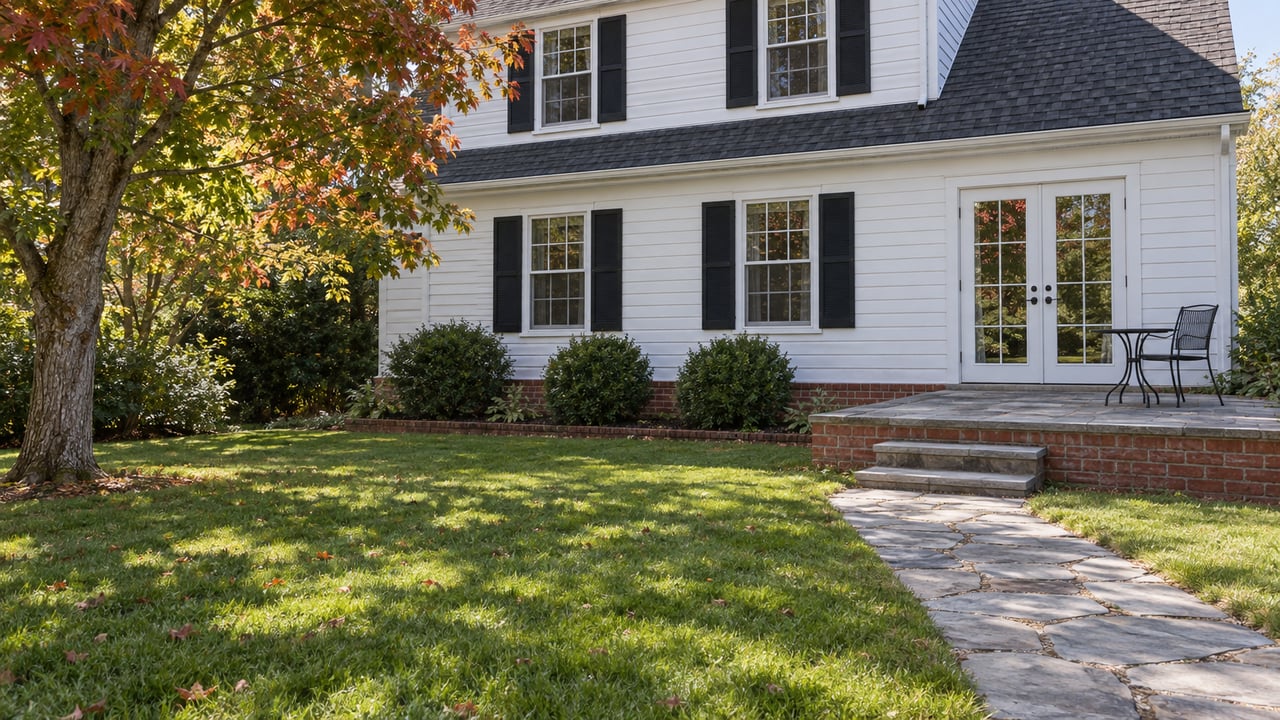
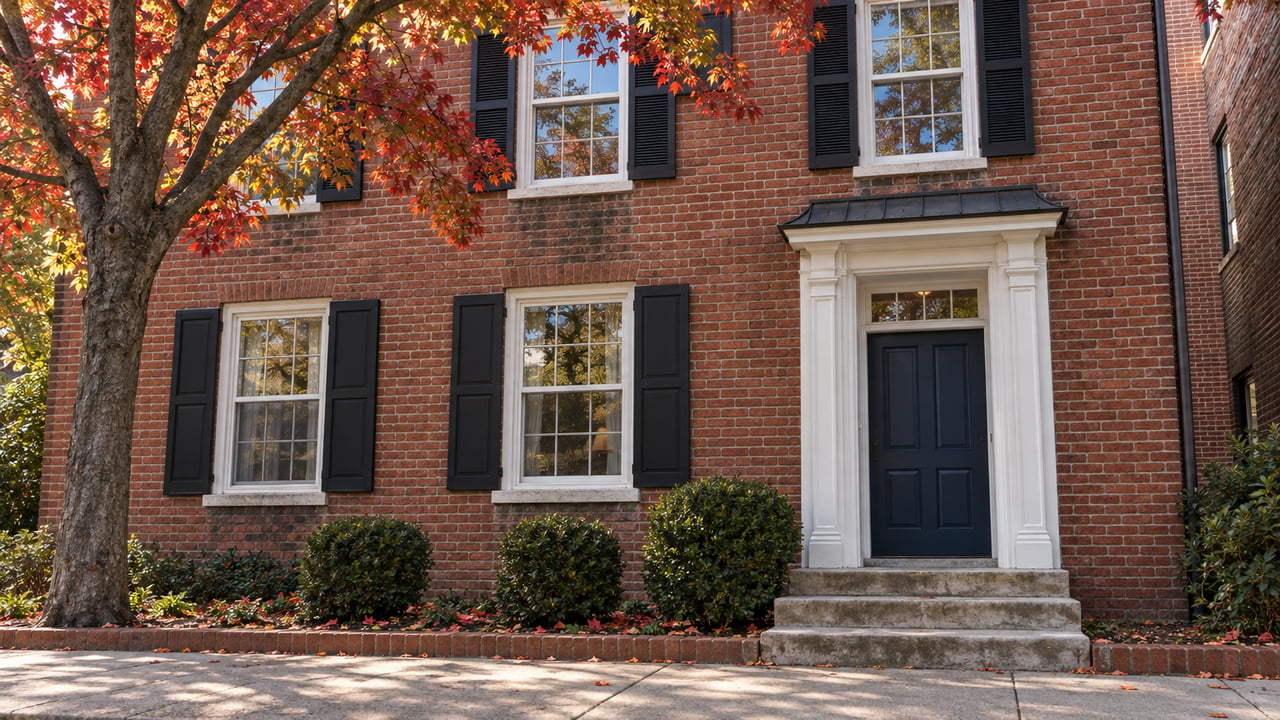
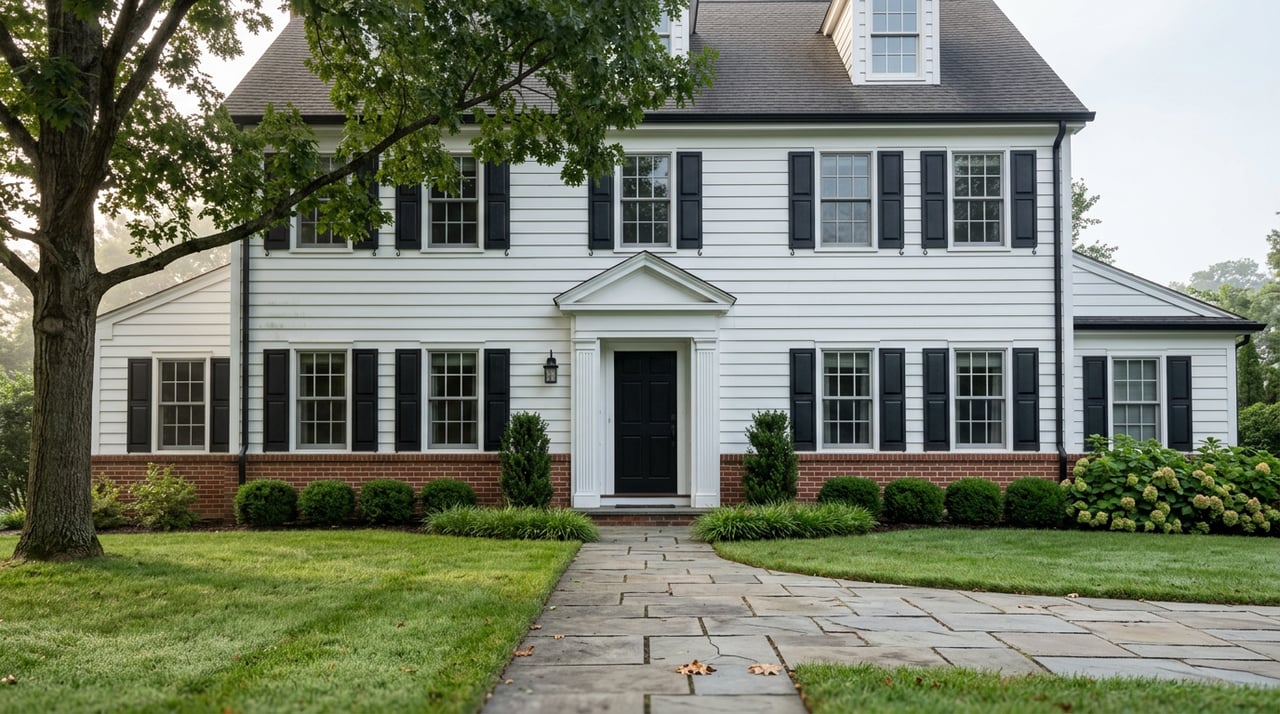
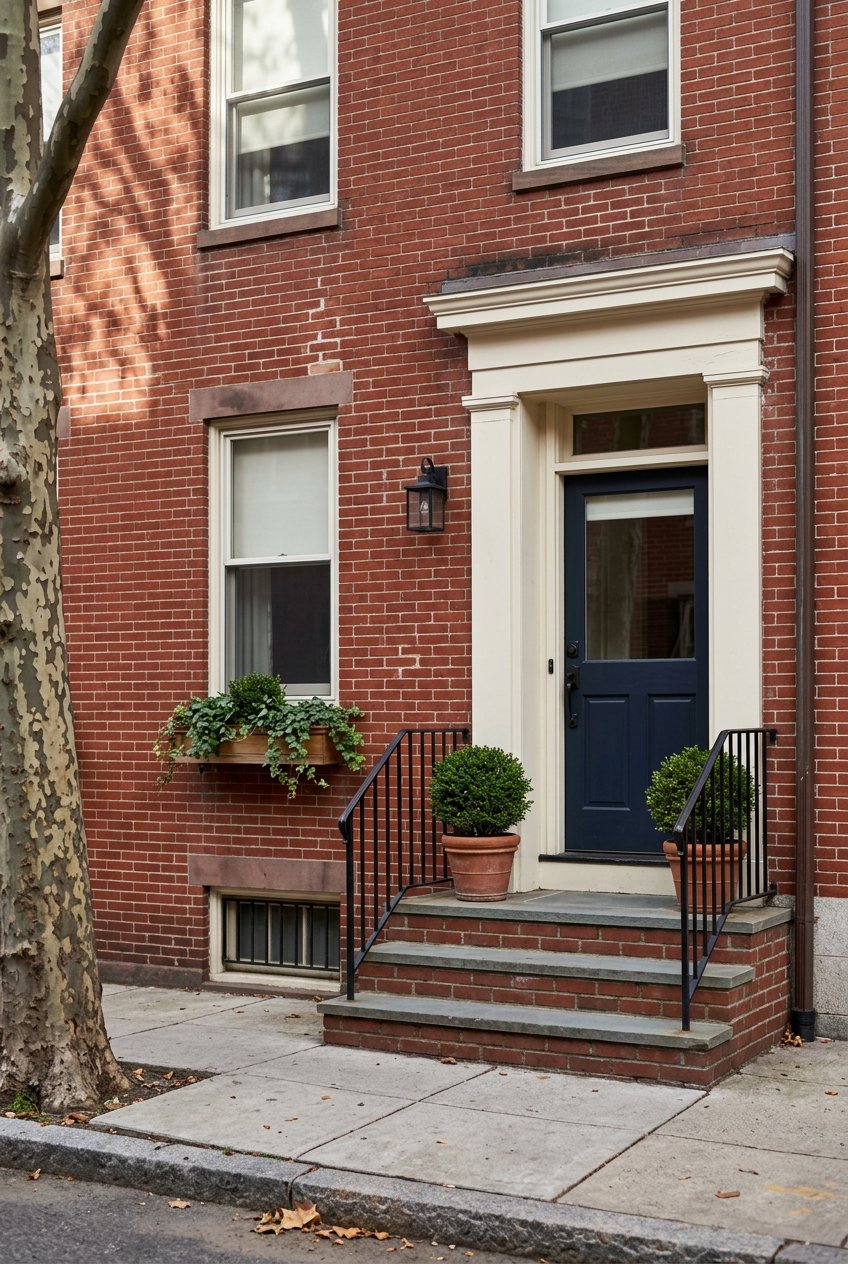
Expect classic Mid‑Atlantic urban streetscapes: brick commercial blocks with storefronts at street level and apartments above, rows of Victorian, Italianate, and Federal or Georgian Revival homes, and some larger detached houses on narrower lots. Many buildings include original woodwork, hardwood floors, and masonry facades that have stood for generations. Small multifamily conversions and mixed‑use properties are common, which adds options for different budgets and living setups.
Unit types and sizes
Typical downtown homes skew toward one‑ and two‑bedroom apartments, upper‑floor flats above shops, and gridded townhouses. You will also see small duplexes and multi‑unit buildings, along with owner‑occupied houses that include accessory rentals. This mix supports both long‑term renters and buyers who want an affordable entry point compared with many suburban Maryland markets. If you like character, compact layouts, and easy access to culture, the housing here lines up with that lifestyle.
Pricing snapshot
Market indexes show Hagerstown’s values have climbed over the past decade yet remain below many Maryland suburbs. As of January 31, 2026, Zillow reports a typical Hagerstown home value around 293,000 dollars, a median sale price in the low‑to‑mid 270,000s, and an average asking rent in the mid‑1,400s. Individual downtown properties can be lower or higher based on size, condition, and mixed‑use potential. Use these figures as a general reference and review current local listings for block‑level pricing.
Daily life and getting around
Walkability on the ground
Walkability in Hagerstown varies by block, and downtown addresses tend to perform best. Blocks near the Public Square and City Park often register “very walkable” scores, which means you can reach shops, galleries, and venues on foot. For a quick check, plug sample addresses into Walk Score’s Hagerstown page and verify with an on‑site visit at different times of day.
Events and everyday amenities
A steady rhythm of farmers’ markets, seasonal festivals, parades, and theater programming draws weekend foot traffic and supports local restaurants and galleries. The City Park lake, the Washington County Museum of Fine Arts, and the Mansion House arts center are an easy walk from many downtown blocks. If you enjoy a calendar of public events and free cultural programming, downtown delivers that.
Transit and commuting
Hagerstown is a car‑oriented region. Local buses serve the city, and intercity buses connect to other hubs, but only a small share of commuters use transit. The nearest MARC commuter‑rail stops are in Brunswick and Martinsburg, so reaching Washington or Baltimore usually means an intermodal trip or a drive to a station. Plan for a car or a park‑and‑ride routine if your job pulls you toward the metro areas.
Parking basics
Parking downtown is a mix of on‑street spaces, municipal decks, and some surface lots. Curb space can feel tight close to event sites and along commercial corridors. Many residents rely on a blend of street parking and assigned or garage parking when available. If you are considering a specific property, confirm the parking type, location, and any permit requirements up front.
Safety and school context
Understanding crime data
Third‑party summaries that compile FBI reports indicate Hagerstown’s citywide violent‑ and property‑crime rates sit above Maryland and national averages for the most recent reporting year. Crime can be very block‑specific in any city, and patterns vary by location. When you evaluate a home, review recent data and maps, talk with local police and neighbors, and visit at different times. For a starting point, see the Hagerstown crime overview.
Schools and services
Downtown residents are near city services like the library, courts, and municipal offices. Several elementary, middle, and high schools serve the broader Hagerstown area, and assignments vary by address. Confirm school boundaries with Washington County Public Schools during your search. The downtown arts cluster also supports education partners that contribute to local programming and student opportunities.
Owning or renovating an older home
Common system issues to plan for
Older buildings offer character but need informed upkeep. Build the following checks into your due diligence:
- Lead‑based paint. Homes built before 1978 may contain lead paint. Federal law requires disclosure during sale or lease, and contractors must follow the EPA’s RRP rules for lead‑safe work. Review the EPA’s summary for real estate pros and clients in the RRP program overview.
- Electrical systems. Historic wiring such as knob‑and‑tube or mid‑century aluminum can trigger insurance or safety constraints. A full electrical evaluation is common in older homes. The Electrical Safety Foundation International outlines basics in this electrical systems guide.
- Masonry and exterior envelope. Brick and stone facades need proper repointing and water management. The National Park Service’s preservation guidance, summarized by Fort Collins, explains mortar selection and technique in its historic masonry guides.
- Plumbing and heating. Galvanized pipes and older boilers appear in many pre‑war buildings. Budget for upgrades or replacements if systems are near end of life.
Rules, permits, and incentives
If you plan exterior changes on a designated historic resource or a property within a local historic area, expect standard permits and possible design review. Materials and methods may need to align with the building’s character, which affects timelines and costs. Within the A&E District, local programs may offset some rehabilitation expenses. Review the city’s A&E tax incentives and confirm eligibility and application steps before starting work.
Insurance and financing
Older systems can affect insurance underwriting and lender conditions. Many insurers want modern electrical, a safe roof, and a clean 4‑point inspection; active knob‑and‑tube or severe deferred maintenance can limit options or raise premiums. Mortgage underwriters may require repairs or certifications prior to closing. For a general overview, see Allstate’s summary on insurance for older homes.
Quick due‑diligence checklist
Use this short list when you tour a downtown property or review disclosures:
- Photos and update history for roof, HVAC, electrical, and plumbing. Note the year and scope of work.
- Lead‑paint disclosure and any recent testing or abatement reports for pre‑1978 homes. Read the EPA’s RRP overview for context on lead‑safe work rules.
- Electrical report that confirms panel capacity, grounding, and whether knob‑and‑tube is active. Review ESFI’s home electrical basics.
- Masonry condition, including spalling and mortar loss, plus any recent repointing or waterproofing. Compare notes to the historic masonry guidance.
- Parking details, including whether the space is assigned, on‑street, or within a municipal deck, and any related fees.
- Permit and potential design‑review obligations if the property sits within a historic area. Speak with city planning or preservation staff early.
Is downtown Hagerstown right for you?
You may be a great fit if you want a walkable lifestyle anchored by arts venues, museums, and frequent public events. You enjoy older architecture, compact floor plans, and the trade‑off of character for some hands‑on maintenance. You like the idea that many daily needs are close and that City Park is an easy stroll for fresh air.
If you prefer low‑maintenance systems and turnkey finishes above all else, compare downtown options with nearby suburban neighborhoods. Some renovated buildings downtown will meet that standard, while others will not. Spend time on the exact block and inside the homes to understand the trade‑offs.
Ready to explore?
If you are weighing historic character against convenience, a steady advisor can help you sort the details that matter. From walkability and events to wiring, masonry, and permits, a grounded plan turns an older property into a rewarding place to live. When you want senior‑level, hands‑on guidance across residential and mixed‑use options in Central Maryland, connect with Dick Stoner for a clear path forward. Get your instant home valuation or request a free consultation.
FAQs
What is the Historic Downtown Hagerstown district?
- It is the city’s commercial core and surrounding older neighborhoods within the larger Hagerstown Historic District, which is listed on the National Register; see the district overview.
How walkable is downtown Hagerstown for errands?
- Blocks around the Public Square and City Park often score “very walkable,” though it varies by address; you can check specific blocks on Walk Score’s Hagerstown page.
What do homes and rents typically cost in Hagerstown?
- As of late January 2026, market indexes show a typical home value near 293,000 dollars, median sale prices in the low‑to‑mid 270,000s, and asking rents in the mid‑1,400s, with wide variation by unit and condition.
Are there incentives for renovating within the A&E District?
- Yes; the city offers property‑tax credits and related programs tied to arts uses and rehabilitation; review details and eligibility for the A&E tax incentives.
What should I inspect first in an older brick rowhouse?
- Start with lead‑paint disclosures, electrical safety and grounding, masonry condition and water management, plumbing ages, roof age, and any required permits or design review for exterior work; use the EPA RRP, ESFI, and masonry guides as references.
How practical is commuting to DC or Baltimore from downtown?
- Most residents drive; the nearest MARC rail stops are in Brunswick and Martinsburg, so plan for a car or park‑and‑ride if you commute to Washington or Baltimore.