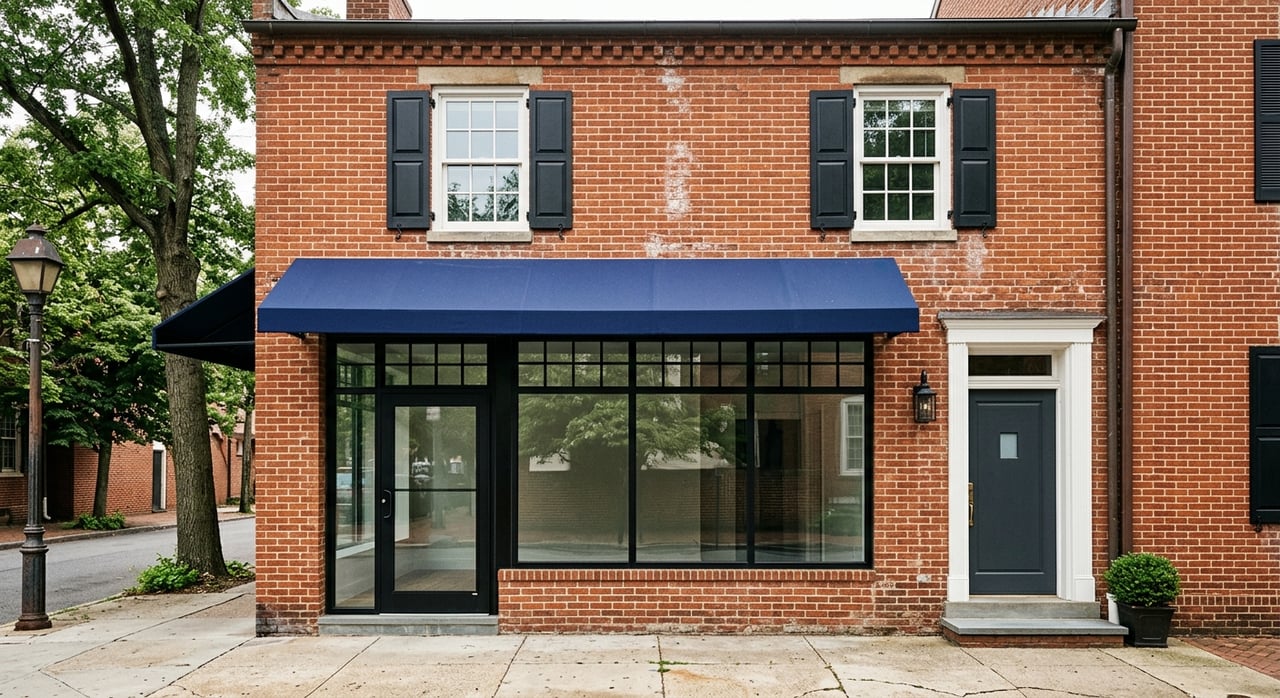
Buying a mixed-use property can look simple from the outside. You see a storefront, an apartment, maybe an office suite, and you picture multiple income streams under one roof. In Washington County, though, the real story is in the zoning, infrastructure, approvals, and property records. If you are getting ready to buy, this guide will help you focus on the local issues that matter most before you make an offer. Let’s dive in.
Why mixed-use buying is different
Mixed-use property is not just a standard commercial building or a standard residential investment. In Washington County, mixed use is treated as a combination of residential or institutional and non-residential uses under the zoning code. That means your purchase decision needs to account for more than square footage and price.
A mixed-use asset can have different risk points within the same property. The residential portion may depend on housing demand and it may or may not be rented to the operator of the commercial space. The non-residential portion may depend on storefront visibility, office usability, or local service demand in the immediate area. In small towns in the County, the VC - Village Zone recognizes that many buildings were built to house both a business and a residence. Life Safety regulations concerning exits, sprinklers, if any, and other components come into play in these buildings.
Where mixed-use opportunities are more likely
Washington County’s Comprehensive Plan places mixed-use development within the Urban and Town Growth Areas framework. The plan says about 75% to 80% of county development occurs in those growth areas. For investment buyers, this points your search toward Hagerstown and town growth corridors for new buildings and to Village areas in the surrounding towns.
That does not mean every property in a growth area is automatically suitable for mixed use. It does mean your first screening step should include the land use maps within the county’s growth structure. If a property sits outside the areas where mixed-use development is permitted by zoning, then home office and home business categories will apply. When parking is needed for employees, and when commercial vehicles are parked on-site regularly a Special Exception may be needed.
Know the mixed-use zoning districts
Washington County uses floating mixed-use zones, and the differences matter.
- MXR is residential only.
- MXC combines residential uses with limited neighborhood-serving commercial development.
- MXE combines residential, commercial, and employment uses.
- RV is Rural Village, which allows for mixed use in smaller towns with that designation
These are not small distinctions. A property that seems ideal for apartments over retail may fit one district but not another. Before you spend money on inspections, plans, or financing, confirm the current zoning district and whether your intended use mix fits the county rules. Here is a link to the zoning maps:
https://experience.arcgis.com/experience/dedf1c76eab54569bf4eb1e49e45b66c#widget_6=active_datasource_id:f14294709f9e497cb359974a329465d1,center:-8662957.349328592%2C4815138.805980577%2C102100,scale:288895.277144,level:11,rotation:0,viewpoint:%7B%22rotation%22%3A0%2C%22scale%22%3A288895.277144%2C%22targetGeometry%22%3A%7B%22spatialReference%22%3A%7B%22latestWkid%22%3A3857%2C%22wkid%22%3A102100%7D%2C%22x%22%3A-8662957.349328592%2C%22y%22%3A4815138.805980577%7D%7D
Water, sewer, and approvals matter early
The county ordinance says mixed-use districts should be served by public water and sewer facilities approved by the Washington County Health Department. That alone can affect whether a property is practical for your plans, especially if you are considering renovation, expansion, or a change in use.
The approval path can also be more layered than buyers expect. The county process includes concept plan review, zoning approval, preliminary development plan review, and final development plan review. Mixed-use development must also comply with the county’s adequate public facilities rules before site plan or final subdivision approval.
If you are buying with a value-add strategy, these steps are not minor paperwork items. They can affect timing, cost, and whether your business plan works at all.
Underwrite the property in two parts
One of the smartest ways to evaluate mixed-use property in Washington County is to model the residential and non-residential portions separately. That is a practical takeaway from the county’s review standards, which consider use mix, infrastructure, compatibility, buffers, pedestrian access, refuse handling, and adequate public facilities compliance.
For example, an upstairs apartment and a street-level commercial space may each have very different vacancy risk, maintenance needs, and compliance issues. A buyer should look at potential rent, turnover, improvement cost, and utility burden for each part of the property instead of relying on one broad projection.
This is also where site layout becomes part of value. The county code gives the Planning Commission room to require or modify items tied to setbacks, buffers, and pedestrian facilities. In plain terms, the shape of the lot, access points, walkability, and circulation can directly affect what the property can support.
Use local market data carefully
Public data will not replace property-specific due diligence, but it can help you judge whether a mixed-use concept is plausible. Census QuickFacts lists Washington County’s 2025 population at 157,731, median household income at $77,747, median gross rent at $1,147, owner-occupied housing unit rate at 66.8%, median owner-occupied home value at $296,100, 2022 retail sales at $3.34 billion, and accommodation and food services sales at $384.1 million.
Those numbers can help you think through demand for a small storefront, office suite, apartment, or owner-occupied upper-floor unit. They do not tell you what a specific unit will rent for, and they do not replace a rent roll, market analysis, or a broker opinion. They are best used as a first-pass reality check while you narrow your options.
Review taxes beyond the sale price
Mixed-use underwriting should include a close look at local tax records. Washington County says real property is assessed every three years by SDAT, tax rates are set annually by the County Commissioners, and tax records are public. The county also notes that municipal taxes are not collected by the county Treasurer’s Office.
That last point matters if your property is inside a municipality. Your total carrying cost may include tax obligations beyond the county portion, so do not stop with one tax line item.
You should also remember that business personal property can be taxed. The county says furniture, fixtures, and equipment may create an added tax burden for commercial occupants beyond real estate tax. If you are buying a property with commercial tenancy or planning to occupy the non-residential space yourself, that cost belongs in your analysis.
Delinquent taxes can also trigger a tax lien sale. That makes tax record review more than a routine task. It is part of basic risk control before you go under contract or remove contingencies.
Build the right due diligence team
Mixed-use property usually requires a broader bench of professionals than a simple home purchase. EPA reuse-assessment guidance supports a team approach and separates environmental due diligence from general real estate due diligence.
For many buyers, that team may include:
- A real estate attorney
- A title company or title professional
- A surveyor
- An environmental consultant
- A lender
- A CPA
- Building inspectors
- Engineers when needed
Each role covers a different part of the risk picture. Title and legal review help confirm ownership, liens, and encumbrances. Survey and engineering work can clarify boundaries, access, and site constraints. Environmental review addresses a separate set of questions that should never be assumed away.
Check permits and inspection timing
If you are buying a mixed-use building for rehab, conversion, or upgrades, timing matters as much as price. Washington County’s Permits and Inspections office allows contractors and citizens to schedule inspections, check permit status, and access zoning tools. As of July 1, 2025, the county also assumed fire plan review and fire inspections that were previously handled by the State Fire Marshal.
That means your timeline should include permit review, fire review when applicable, and multiple inspections. A mixed-use project often does not move from closing to occupancy in one quick step. If your financing, lease-up plan, or contractor schedule assumes an easy handoff, you may be underestimating the path.
Hagerstown can add another layer
If the property is inside the City of Hagerstown, the residential portion may be subject to rental licensing rules. The city says any rental facility entering into a residential lease or allowing occupancy of a rental unit must register annually, submit lead-related paperwork, and pay a per-unit fee. The city also conducts annual exterior inspections and interior inspections every 48 months at tenant vacancy.
This is a city requirement, not a countywide one. That makes parcel location important. A property with the same physical setup can have a different compliance path depending on whether it falls inside Hagerstown city limits.
A practical pre-offer checklist
Before you make an offer on mixed-use property in Washington County, work through the basics in an organized way.
- Confirm the zoning district and permitted use mix.
- Verify whether the parcel is in an Urban or Town Growth Area.
- Review possible adequate public facilities exposure.
- Pull tax, title, and plat records.
- Check water and sewer availability.
- Inspect major building systems and fire safety items.
- Confirm whether the residential portion may trigger Hagerstown rental licensing or lead paperwork.
This checklist will not answer every question, but it will help you avoid the most common early mistakes. It also gives you a better basis for deciding price, contingencies, and whether a property is worth pursuing.
Why experienced guidance helps
Mixed-use property can reward careful buyers, but it also asks more of you upfront. In Washington County, value often depends on details that are easy to miss at first glance, including zoning fit, infrastructure, site layout, approvals, taxes, and local inspection requirements.
If you are weighing a mixed-use purchase, it helps to work with an advisor who understands both the residential and commercial sides of the equation, especially when renovation, reuse, or regulatory complexity is involved. For practical guidance on buying mixed-use property in Washington County, reach out to Dick Stoner.
FAQs
What counts as mixed-use property in Washington County?
- In Washington County, mixed use is treated as a combination of residential or institutional and non-residential uses under the zoning code.
Where should you look for mixed-use property in Washington County?
- Mixed-use opportunities are generally more likely in Hagerstown and the county’s Urban and Town Growth Areas, since the Comprehensive Plan places mixed-use development within that framework, as well as in Rural Villages.
Which Washington County zoning districts matter for mixed-use buyers?
- Buyers should pay close attention to MXR, MXC, and MXE because each district allows a different mix of residential, commercial, and employment uses.
Why should you underwrite residential and commercial space separately?
- The residential and non-residential parts of a mixed-use property can have different income potential, compliance issues, and improvement costs, so separate analysis gives you a clearer picture of risk and value.
What tax issues should mixed-use buyers review in Washington County?
- You should review real property tax records, check for any municipal tax obligations, and account for possible business personal property taxes on furniture, fixtures, and equipment tied to commercial occupancy.
Does a mixed-use property in Hagerstown have extra rental rules?
- Yes, if the parcel is inside the City of Hagerstown, the residential rental portion may require annual registration, lead-related paperwork, fees, and city inspections.